Overview of zerodha review
When it comes to online trading in India, Zerodha is often the first name that comes up. Known for its user-friendly platform and broad range of services, Zerodha offers everything from stock trading to mutual funds, all under one roof. If you’ve considered entering the market, chances are you’ve come across Zerodha and wondered how it stacks up against other brokers. We will review zerodha and tell you what is it all about … we will do a zerodha review 🙂
A common concern among traders is the high brokerage fees eating into their profits. Zerodha’s approach to pricing addresses this pain point by offering competitive flat fees, which can make a noticeable difference, especially for people who trade frequently or in small amounts. For example, Zerodha charges a flat ₹20 per executed order, no matter the trade size, which can save serious money compared to traditional percentage-based fees.
This Zerodha review dives into what you really need to know before signing up. It goes beyond basic features to cover the platform’s pros and cons, supported tools, and customer support experience. If you’re looking for a clear picture that helps you decide whether Zerodha fits your trading style and goals, this review has you covered. Whether you’re a beginner or an active trader, knowing the right details now can save time and money later.

Compare Features and Benefits
User Experience
A solid user experience is key in any good Zerodha review, and the platform generally delivers well with its flagship tools like Kite and Coin. Both are designed to be intuitive, fast, and packed with features that cater to beginners and seasoned traders alike.
Kite is Zerodha’s trading platform, known for its clean interface and smooth navigation. Whether you’re placing orders, tracking stocks, or analyzing charts, Kite keeps things straightforward. For example, the platform’s charting tools come with over 100 indicators and drawing options, helping users make informed decisions without jumping between apps. The speed of order execution here is another highlight, crucial during volatile market moments.
Coin, on the other hand, is Zerodha’s mutual fund platform. It allows you to invest directly in mutual funds without any commission. The dashboard neatly organizes your portfolio, NAV trends, and SIP schedules. Plus, the app supports e-sign, eliminating paperwork hassles. If you want to shift from traditional AMC platforms, Coin’s simplicity can feel like a breath of fresh air.

For beginners still finding their feet in investing and personal finance, this guide on personal finance in India pairs well with understanding how platforms like Zerodha can fit into your strategy.
Overall, the user experience shines in this Zerodha review thanks to clear design and practical tools that help users navigate investing confidently.
Fee Structure Analysis
Cost Comparisons
A key part of any Zerodha review is how its fee structure stacks up against other brokers. Zerodha’s approach is simple: it charges a flat ₹20 per executed order on equity delivery, intraday, and futures trades. This can be a big money-saver compared to brokers who take 0.5 % or more per trade, especially if you make frequent transactions.
To calculate your costs with Zerodha, start by estimating your average trade size and frequency. For example, if you place 10 trades a month, each around ₹10,000, your total brokerage would be ₹200. In comparison, a 0.5 % fee would cost ₹500 per trade, or ₹5,000 monthly — a huge difference.
Many traders wonder if cheaper options might sacrifice service or platform quality. While there are competitors with lower fees or zero brokerage offers, they often have hidden charges or limited tools. Zerodha balances cost with robust features, such as the Kite platform and educational resources.
For beginners puzzled over how fees affect returns, try this simple step: multiply your average trade amount by the brokerage percentage or flat fee to see which broker costs less over time. Don’t forget to factor in other charges like transaction and GST fees.
If you’re still getting familiar with investing basics and how costs impact your profit, this
investing guide for beginners in India
is a useful next step. It can help you understand fees in context and choose the right broker for your style.
In summary, this Zerodha review confirms that the fee structure is one of its strongest points, making trading more affordable without cutting corners on tools or reliability.
Final Thoughts on Zerodha Review
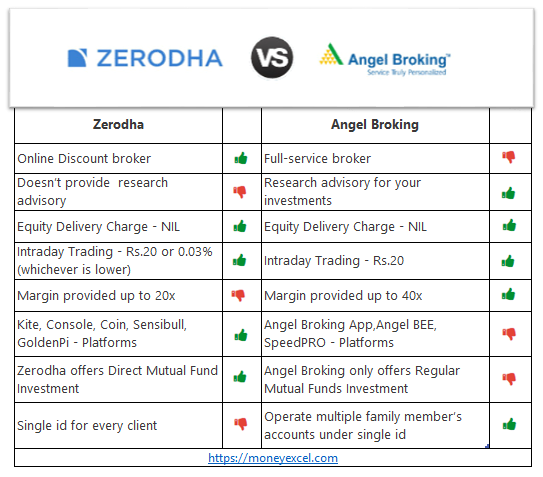
This Zerodha review highlights a broker that offers a strong mix of value and features. On the plus side, Zerodha stands out for its low flat brokerage fees—₹20 per order, regardless of size—which can save active traders hundreds or even thousands annually. The clean interfaces of Kite and Coin also make trading and investing accessible for beginners and pros alike.
That said, there are a few drawbacks. Some users may find the lack of full-service offerings or personalized advisory a limitation. Also, while the platform is reliable, occasional technical glitches can happen during peak market hours. For casual investors, these issues may not be dealbreakers, but it’s good to go in with clear expectations.
Consider this: if you make 15 trades a month averaging ₹15,000, switching from a 0.5% brokerage model to Zerodha could save you around ₹4,500 monthly in fees alone. Over a year, that adds up significantly, proving why Zerodha is a go-to choice for cost-conscious traders.
If you want to dig deeper or track how different fee structures affect your potential returns, there are useful tools and calculators available. This can help you compare options tailored to your trading habits and goals.
Ready to take the next step? Explore more insights and personal finance tips on the blog to sharpen your investing skills. Check out personal finance tips and resources for practical guides and tools that simplify money management in India.
Overall, this Zerodha review suggests that for many investors, Zerodha offers a balanced, affordable way to enter and navigate the markets without unnecessary complications.
Frequently Asked Questions (Zerodha Review)
What is Zerodha?
Zerodha is India’s largest discount stockbroker that offers low-cost trading in stocks, mutual funds, derivatives, and ETFs through its online platforms like Kite and Coin.
Is Zerodha safe and reliable?
Yes, Zerodha is considered safe and reliable. It is a SEBI-registered broker and a member of NSE, BSE, and MCX, with strong compliance and a large active user base in India.
What are Zerodha brokerage charges?
Zerodha charges ₹0 brokerage on equity delivery and mutual funds, and ₹20 or 0.03% per trade (whichever is lower) for intraday, F&O, and commodity trades.
Is Zerodha good for beginners?
Yes, Zerodha is good for beginners who want low fees and simple tools. However, beginners should spend time learning the platform, as it does not offer personalized advisory services.
Does Zerodha offer free account opening?
Zerodha usually charges a one-time account opening fee, but pricing may vary during promotional periods. There are no monthly maintenance charges for most users.
Which Zerodha platform is best?
Kite is best for trading stocks and derivatives, while Coin is best for investing in direct mutual funds with zero commission.
Can I invest in mutual funds using Zerodha?
Yes, Zerodha allows investment in direct mutual funds through its Coin platform, with no commission or distributor fees.
Does Zerodha provide customer support?
Zerodha offers customer support via ticket-based helpdesk and detailed online resources. Phone support is limited compared to full-service brokers.
What are the pros and cons of Zerodha?
Pros:
-
Low brokerage fees
-
Clean and fast trading platform
-
Direct mutual funds with zero commission
Cons:
-
No advisory or portfolio management
-
Limited handholding for beginners
Is Zerodha better than traditional brokers?
Zerodha is better than traditional brokers for users who want low-cost, self-directed investing. Traditional brokers may be better for investors who need advisory services.
Should I choose Zerodha?
You should choose Zerodha if you want a low-cost, technology-driven trading platform and are comfortable managing your investments independently.