

Investing for Beginners: A Comprehensive Guide to Getting Started
Are you ready to take control of your financial future and start building wealth? Investing can seem daunting, especially for those who are new to the world of finance. But don’t worry, we’ve got you covered. In this comprehensive guide, we’ll walk you through the basics of investing and provide you with a step-by-step guide to getting started.
What is Investing?
Investing is simply the act of putting your money into something that has a good chance of growing in value over time. This can include stocks, bonds, real estate, and more. Investing is a key part of building wealth and securing your financial future.

Why is Investing Important for Wealth Growth?
Investing is essential for building wealth and achieving financial stability. When you invest, you’re essentially giving your money the opportunity to grow and compound over time. This means that even small, consistent investments can add up to significant returns over the long-term.
Step-by-Step Guide to Investing for Beginners
Setting Financial Goals and Creating a Budget
Before you start investing, it’s essential to understand your financial goals and create a budget that works for you. This will help you determine how much you can afford to invest each month and ensure that you’re on track to meet your financial objectives.
Visit this budget planner to get started.
Choosing the Right Investment Account for Beginners
Selecting the right investment account is crucial for beginner investors. You’ll want to consider factors such as fees, minimums, and investment options. Some popular options for beginners include brokerage accounts, IRAs, and robo-advisors.
Learn more about our expert guides on investing for beginners and start making informed decisions.
Investment Options for Beginners: A Simplified Explanation
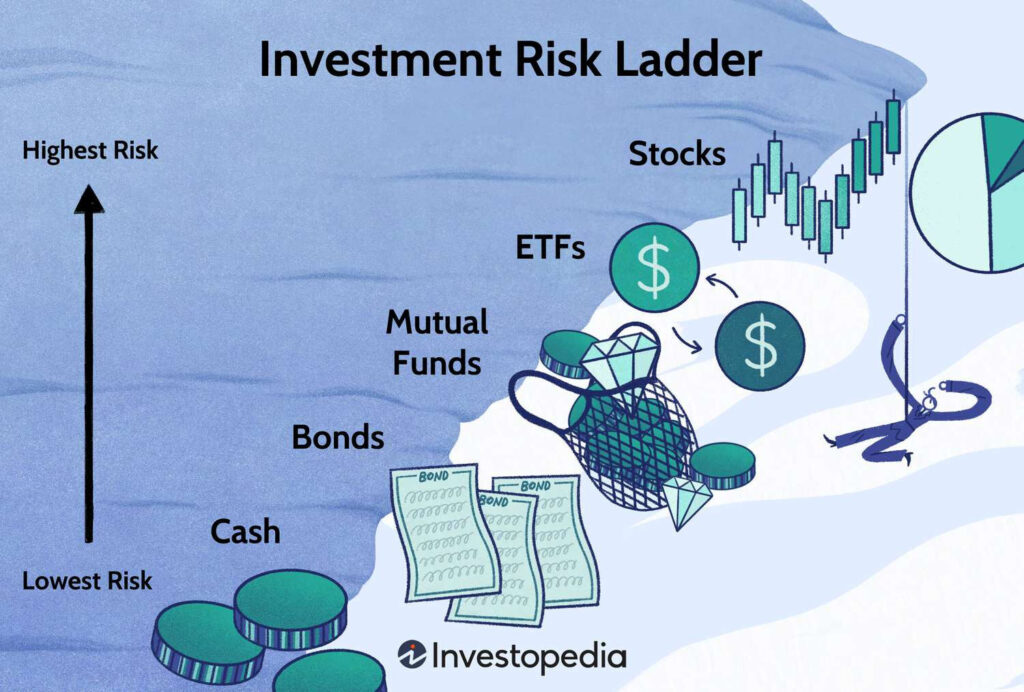
As a beginner, you’ll want to focus on low-cost, diversified investments that are easy to understand. Some popular options include:
- Stocks: Represent ownership in a company and can provide potential for long-term growth.
- Bonds: Represent debt and provide a fixed rate of return.
- Mutual Funds: A type of investment that pools money from multiple investors to purchase a diversified portfolio of stocks, bonds, or other securities.
- ETFs: An exchange-traded fund that tracks a specific index or sector and provides diversification and flexibility.
- Index Funds: A type of mutual fund that tracks a specific index, such as the S&P 500.
Developing an Investment Strategy as a Beginner
Creating an investment strategy is essential for achieving your financial goals. This involves aligning your investments with your time horizon and risk tolerance. For example, if you’re investing for retirement, you may want to focus on long-term stock index funds.
Explore our calculators to find the right strategy for your needs.
Getting Started with Investing: How Much to Begin With
Don’t let the thought of investing intimidate you. Starting small is acceptable, and you can begin with fractional shares and low minimums. Take the first step by visiting our budget planner and start investing today.
Risk Management for Beginner Investors
As a beginner, it’s essential to understand risk management and how to reduce exposure to potential losses. This includes diversification, understanding volatility, and the benefits of dollar-cost averaging.
Stay updated with our latest blog posts on investing and personal finance.
Avoiding Common Mistakes in Beginner Investing
Identifying and avoiding common mistakes is crucial for success in investing. Some common pitfalls include:
- Chasing hot stocks
- Delaying the start of an investment journey
- Not diversifying your portfolio
Subscribe to our newsletter for exclusive tips and updates on investing and wealth management.
FAQs for Investing Beginners
1. What is investing in simple words?
Investing means putting your money into things like stocks, mutual funds, or gold so it can grow over time. Instead of keeping money idle in a bank, investing helps you build wealth slowly and steadily.
2. How much money do I need to start investing?
You can start investing with as little as ₹100 in mutual funds and even ₹1 in some stocks. The key is to begin early with small amounts and increase gradually as your income grows.
3. Is investing risky for beginners?
All investments carry some risk, but you can reduce it by starting with safer options like index funds or blue-chip stocks. Learning basics and staying patient helps beginners avoid big losses.
4. What is the safest investment for first-time investors?
For beginners, options like index funds, large-cap mutual funds, fixed deposits and government schemes are considered safer. They offer steady returns and are easier to understand compared to individual stocks.
5. Which is better for beginners: stocks or mutual funds?
Mutual funds are usually better for beginners because experts manage your money. Stocks require more research and time. You can start with mutual funds and slowly move to stocks once you feel confident.
6. How long should I stay invested?
Ideally, you should invest for the long term—at least 5 to 10 years. Longer durations reduce risk, smooth out market ups and downs, and help you build strong returns through compounding.
7. What is SIP and why is it useful?
SIP (Systematic Investment Plan) lets you invest a fixed amount regularly in mutual funds. It builds discipline, reduces risk, and helps you grow wealth slowly without needing big savings at once.
8. Can beginners lose money in the stock market?
Yes, short-term losses can happen. But beginners who invest in good companies, stay patient, and avoid frequent buying and selling usually see their money grow over time.
9. Do I need a Demat account to start investing?
You need a Demat account only for stocks, ETFs and some bonds. For mutual funds, no Demat account is required—you can invest directly through apps or websites.
10. How do I choose my first investment?
Start with simple, trusted options like index funds or large-cap mutual funds. Check your goals, risk level, and time horizon. Avoid hype and focus on long-term growth.
For more insights, sign up for our newsletter to stay informed.
Embracing the Investing Mindset: A Long-Term Approach
Investing is a long-term habit and journey, not a quick fix. To achieve success, you’ll need to adopt a mindset shift and focus on the following:
- Consistency: Regularly investing a fixed amount of money over time.
- Patience: Allowing your investments to grow and compound over time.
- Discipline: Avoiding emotional decisions and sticking to your investment plan.
Join our community by subscribing to our newsletter and start your path to financial freedom today.
External Resources:
- Investopedia: A comprehensive resource for learning about investing and personal finance.
- The Motley Fool: A leading source of investing advice and education.
- NerdWallet: A personal finance website that provides expert advice on investing and money management.
- Kiplinger: A leading personal finance website that provides expert advice on investing, retirement, and more.