XRP investment potential sits at the intersection of faster payments, regulatory clarity, and what institutions are willing to test in real-world networks. This primer cuts through the noise to map where the upside could come from, what could hold it back, and how to think about a prudent exposure in 2025.
What is XRP Investment Potential?
XRP’s role in finance today centers on Ripple’s rails for cross‑border settlements and on‑demand liquidity. In environments where speed and cost matter, XRP can act as a bridge asset to move value efficiently. But the path forward isn’t guaranteed: the ongoing SEC case, evolving crypto regulations worldwide, and shifts in tax treatment create meaningful uncertainty. The question for investors is not just “will it rise” but “how should I balance potential returns with regulatory and execution risk?”
To navigate this landscape, expect a disciplined framework rather than hype. We’ll weigh key drivers like adoption by financial institutions, Ripple’s strategic partnerships, and regulatory developments across major markets. Price forecasts and multiple risk/reward scenarios will be laid out, along with expert takes to help you calibrate exposure. You’ll also get actionable steps—how to size positions, monitor developments, and adjust as rules and markets evolve.
If you’re short on time, you can start with a clear sense of the decision points: (1) Is XRP a core or satellite holding in your crypto or diversified portfolio? (2) What time horizon suits you best given policy timelines and market cycles? (3) How will you allocate across related assets (regulated tokens, other payment rails, or broader crypto exposure)?
For additional angles and practical tools, explore our deeper resources, including guides on buying safely and evaluating crypto investments. Is XRP a good investment? This guide links to deeper analyses and framework checks to help you decide. As you read, you’ll accumulate a structured view of where XRP could fit into your 2025 plan.
Analyzing XRP’s Market Position
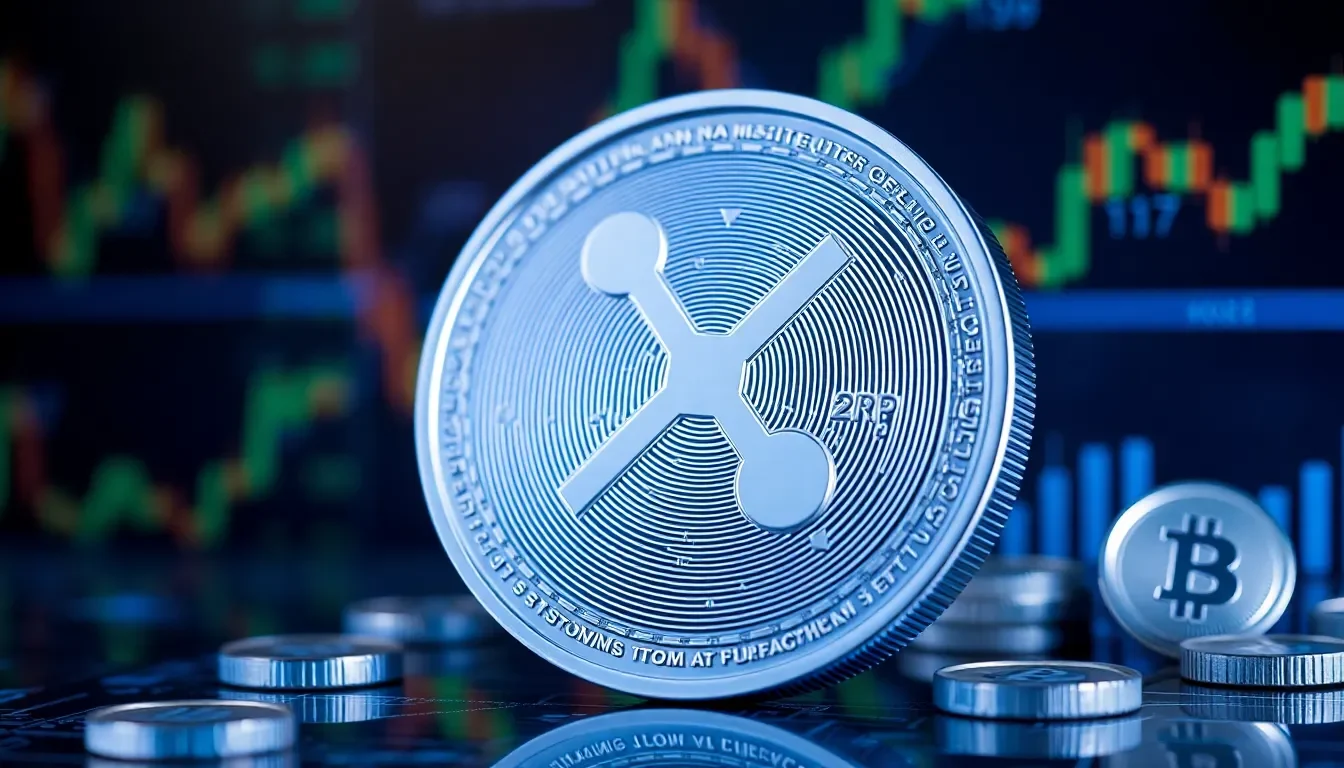
XRP investment potential today rests on two numbers: $0.48 (May 2024 spot) and 3.8 seconds (average settlement time). While Bitcoin needs 10 minutes and Ethereum ~15 seconds, XRP’s speed keeps it on bank short-lists for cross-border flows. Yet price action tells another story—since the 2021 peak of $1.96, the token has traced a 76 % draw-down, swinging ±8 % in a single session fourteen times this year. Speed helps adoption; volatility scares new money.
The supply curve is fixed at 100 bn coins, with 55 bn currently circulating and Ripple escrowing the rest. That scarcity narrative competes with monthly escrow releases (up to 1 bn, usually re-locked). Result: inflation is predictable, but headlines about “a billion unlock” still spark knee-jerk sells. Traders watch four metrics: ODL (on-demand liquidity) volume, new corridors, SEC-case filings, and whale-wallet shifts. When ODL printed a record 19 x year-over-year jump in Q1 2024, price lagged by three weeks—an entry window for data-driven buyers.
Recent Trends in XRP Prices
Look at the last 12 months:
| Period | Low | High | Intra-range |
|---|---|---|---|
| Jun 23 | $0.41 | $0.55 | 34 % |
| Oct 23 | $0.44 | $0.72 | 64 % |
| Mar 24 | $0.57 | $0.74 | 30 % |
Each spike coincided with positive court rulings; each retrace followed broad crypto risk-off. A practical example: a ₹1 lakh purchase at the October low would have topped ₹1.64 lakh in four weeks—outpacing both Bitcoin (48 %) and the Nifty 50 (6 %) in the same window. Volatility cuts both ways; the same position fell back to ₹1.12 lakh by April. Frequent ±20 % moves make position-sizing crucial. If you’re new to crypto swings, start with our how to invest in crypto safely checklist before you size a trade.
External data: CoinGecko XRP market page
Risk-Reward Analysis
Think of XRP as a three-factor bet: legal clarity, bank uptake, and macro risk-appetite. We map these on a 5 x 5 grid:
| Probability | Upside catalyst | Downside catalyst | Risk score |
|---|---|---|---|
| High (60 %) | Court summary judgment in Ripple’s favour | SEC appeals, extending overhang | 3/5 |
| Med (45 %) | Two top-20 banks join ODL | Competitor (Stellar, SWIFT gpi) gains share | 3.5/5 |
| Low (20 %) | Spot XRP ETF approved this year | Global AML crackdown on “privacy coins” spreads to utility tokens | 4/5 |
Expected-value math: if upside case (+150 %) has 55 % odds and downside case (-60 %) has 45 % odds, the blended one-year return equals +49 %. That asymmetric payoff is the core of xrp investment potential, but only if you can stomach a 60 % draw-down on the path. Retail investors often cap crypto at 5 % of net worth; use our investing for beginners guide to set baseline rules.
Scenario: Ravi, 29, earns ₹12 lakh post-tax and holds ₹50 k in XRP. A favourable ruling doubles his holding to ₹1 lakh, lifting his total portfolio by 4 %. If the case goes against Ripple and price halves, his portfolio drops 2 %. The small allocation lets him stay rational.
External insight: Ripple Insights Q1 2024 Report
Regulatory Landscape Impact
The Ripple-SEC lawsuit is the single biggest price lever. Judge Torres’ 2023 ruling that XRP sales on exchanges were “not securities” triggered a 97 % monthly rally, yet the case continues on institutional sales. A final judgment could come in late 2024, opening the door to an appeal or settlement. Timeline risk matters—every brief extension pushes clarity further.
Globally, the EU’s MiCA framework (2025) classifies utility tokens separately from asset-referenced tokens, a stance that may favour payment coins like XRP. In Asia, Japan’s FSA already treats XRP as a crypto-asset, not a security, allowing domestic ETF filings. Meanwhile, India’s AML rules require all VDA service providers to register with FIU; gains are taxed at 30 % plus cess with no offset, a drag on short-term trading.
Bottom line: regulatory momentum is improving but uneven. Track these signals:
1. Court calendar—summary judgment dates
2. Exchange relisting/delisting notices in the U.S.
3. ETF applications—spot or futures
4. G20 discussions on cross-border stablecoins (indirect competition)
Model the impact on your long-term plan with our investment growth calculator to see how different regulatory outcomes affect portfolio value.
External update: SEC v. Ripple Court Filings
Takeaway: xrp investment potential hinges on faster payments, legal clarity, and disciplined sizing. Use data, not hype, to decide where it fits in your 2025 playbook.
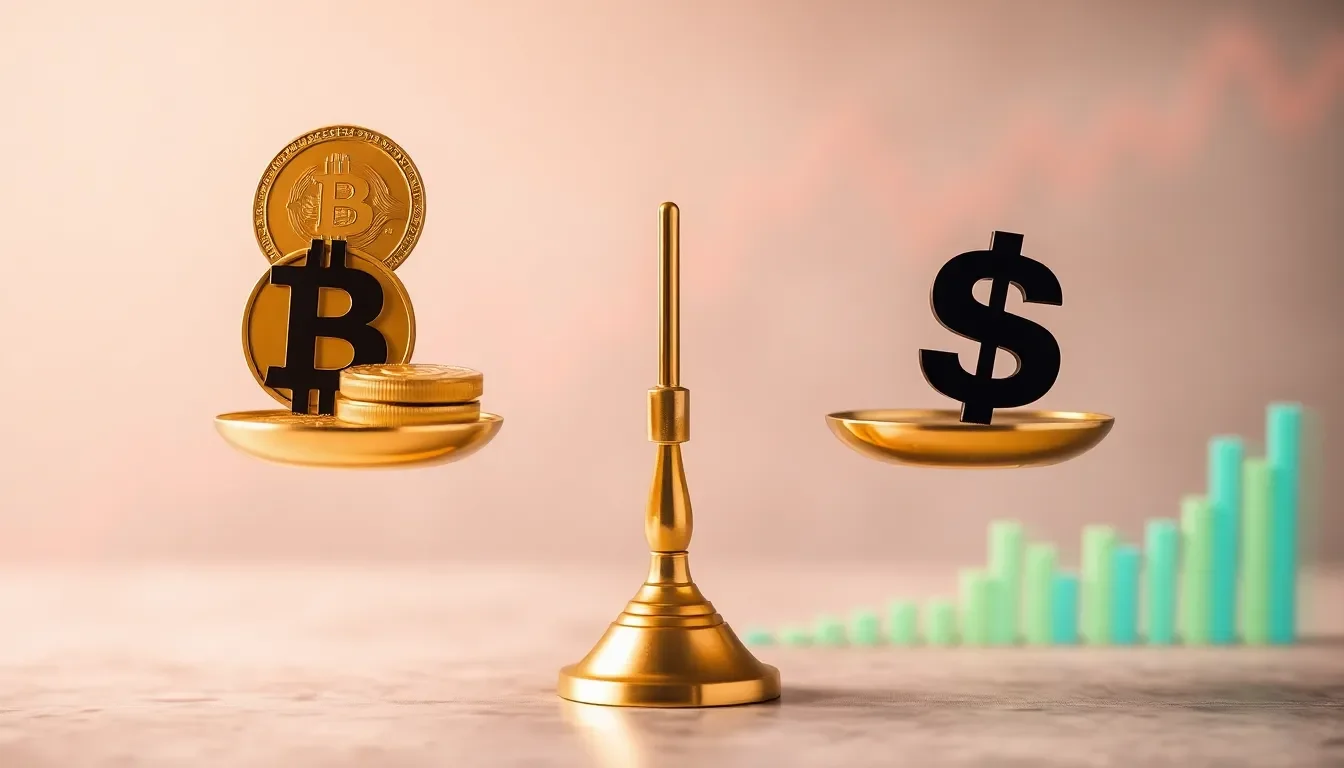
What Does the Future Hold for XRP Investment Potential?
XRP investment potential hinges on three forces: faster settlement rails, evolving regulatory clarity, and the appetite of institutions to test cross-border payments. As adoption scales, XRP could play a more visible role in liquidity networks, but the path remains nuanced. The key is to separate hype from evidence—tracking ODL activity, court updates, and policy shifts that shape risk and reward.
Looking ahead, the core takeaways are clear:
-
- Adoption matters more than headlines. Real-world use of Ripple’s rails can widen XRP’s utility and help stabilize its price path over time.
-
- Regulatory clarity unlocks upside. Clear rules reduce surprise risk and make XRP a more predictable position for longer horizons.
-
- Size the exposure thoughtfully. A measured allocation lets you participate in potential upside while limiting downside during volatility.
To navigate the landscape, use tools and resources that translate complexity into clarity. Explore our investing resources and checklists to structure decisions, and try the investment-growth calculator to see how different XRP scenarios could affect your portfolio. For practical steps, see the crypto safety guide and related checklists linked in this guide.
External perspectives and data can anchor decisions. For ongoing context, refer to reputable sources on XRP pricing, regulatory developments, and cross‑border payments. Real-time price data, expert commentary, and regulatory updates help you stay aligned with the evolving XRP story:
-
- XRP price and market data: https://www.coindesk.com/price/xrp/
-
- Regulatory and enforcement context: https://www.sec.gov/news/press-release/2020-338
-
- Ripple’s XRP information and use case: https://ripple.com/xrp/
- EU crypto regulation and MiCA background: https://ec.europa.eu/info/business-economy-euro/banking-and-finance/crypto-assets_en
Taken together, the XRP narrative is not a single bet on a single outcome. It’s a composite of speed, utility, and policy. With disciplined analysis and the right tools, you can position XRP as a thoughtful component of a broader, informed investment plan.
Closing thought: when you balance real-world utility with regulatory nuance, XRP’s investment potential becomes a measured, achievable part of a diversified portfolio rather than a lottery ticket.
Frequently Asked Questions About XRP Investment Potential
What is XRP investment potential?
XRP investment potential refers to the possible future value and returns of XRP based on its role in cross-border payments, adoption of Ripple’s On-Demand Liquidity (ODL), and progress toward regulatory clarity. Its potential depends on real-world usage rather than speculation alone.
Is XRP a good investment in 2025?
XRP can be a good investment in 2025 for investors who understand regulatory risk and volatility. Its upside is tied to legal clarity in the U.S., increased institutional adoption, and global payment use cases, while downside risk remains if regulations tighten or adoption slows.
What factors influence XRP investment potential the most?
The three biggest drivers of XRP investment potential are:
-
Regulatory outcomes, especially the SEC vs. Ripple case
-
Institutional adoption of Ripple’s payment rails
-
Market sentiment and crypto cycles
Real usage data matters more than price predictions.
How does regulation affect XRP investment potential?
Regulation is the single most important factor for XRP. Positive legal clarity reduces uncertainty and increases institutional participation, while prolonged litigation or adverse rulings can suppress price growth despite strong technology.
Is XRP riskier than Bitcoin or Ethereum?
Yes, XRP is generally considered riskier than Bitcoin and Ethereum due to its regulatory exposure and centralized supply management. However, that higher risk also creates asymmetric upside if regulatory clarity improves.
Can XRP be used for long-term investing?
XRP can be used for long-term investing as a satellite position, not a core holding. Most investors limit exposure to a small percentage of their portfolio to balance potential upside with downside risk.
What makes XRP different from other cryptocurrencies?
XRP is designed primarily for fast, low-cost cross-border payments, not as a store of value or smart-contract platform. Its average settlement time of a few seconds gives it a unique role in payment infrastructure rather than general blockchain use.
Does XRP have real-world adoption?
Yes. XRP is actively used within Ripple’s ODL network for cross-border settlements, particularly in Asia-Pacific and select institutional corridors. Adoption growth, not hype, is what strengthens long-term XRP investment potential.
How much XRP should a beginner invest?
Beginners typically allocate no more than 1–5% of their total portfolio to XRP or any single cryptocurrency. This approach allows participation in potential upside while limiting downside during sharp price swings.
Can XRP reach its previous all-time high again?
XRP could revisit previous highs only if regulatory clarity improves and institutional usage scales meaningfully. Without those conditions, price rallies may remain cyclical rather than structural.
Is XRP investment potential driven more by technology or speculation?
Long-term XRP investment potential is driven by utility, regulation, and adoption, while short-term price movements are often driven by speculation and court-related headlines.
What is the biggest risk to XRP investment potential?
The biggest risks include:
-
Unfavorable regulatory rulings
-
Reduced institutional adoption
-
Competition from alternative payment rails and stablecoins
Understanding these risks is essential before investing.
Should XRP be part of a diversified portfolio?
Yes, XRP can be part of a diversified portfolio if treated as a high-risk, asymmetric opportunity, not a guaranteed return asset. Diversification helps manage volatility and uncertainty.