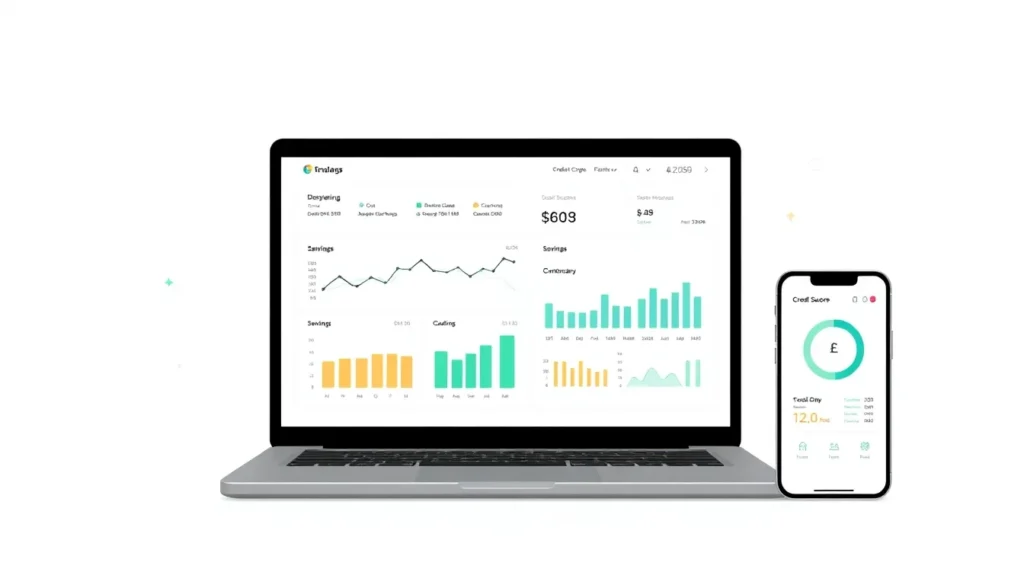
Choosing the best personal finance software isn’t about flashy dashboards or the latest gimmicks. It’s about tools that turn numbers into smarter decisions and real wealth growth. The right software helps you budget, save, and invest with confidence, turning daily money choices into long term progress.
What makes the best personal finance software crucial?
Smart financial decisions start with clean data you can trust. When software tracks income, spending, and goals in one place, you see what actually moves the needle, not what sounds good on a headline. That clarity matters for wealth management because small, steady changes compound over time.
A strong program does more than tally balances. It guides you with practical capabilities like budgeting templates, cash flow forecasting, credit score monitoring, and simplified tax planning. It can automate savings, remind you of upcoming bills, and flag unusual spending before it becomes a problem. Look for web, mobile, and cloud access so you can check in anytime, anywhere, and keep numbers synced across devices.
Real world example: a freelance designer used a budgeting dashboard to forecast quarterly cash flow, spot seasonality, and set aside a consistent emergency fund. Within six months they reduced discretionary spending, increased savings, and started a small index fund position without extra stress. For quick ideas you can test today, see practical tips at Monetify’s resources personal finance tips.
Note how features connect to outcomes. Predictive budgeting helps you plan, proactive money management reduces anxiety, and integrated investing support aligns daily choices with long term goals. If you want a guided path to pick the right software, think about your life stage and goals first. A deeper flowchart approach can help you map software choices to specific aims, such as debt payoff, retirement readiness, or college funding.
For readers who want a hands on comparison, external guides like PCMag on the best personal finance software and NerdWallet on budgeting apps offer useful benchmarks. Explore the ideas, then dive into hands on testing to see what fits you. As you move forward, you’ll learn which features truly push your money decisions in the right direction.
Key features of top personal finance software
The best personal finance software turns raw numbers into clear next steps. It tracks cash flow, guards your credit, and nudges you toward bigger savings without hours of manual work. Below is a quick map of the main features you should compare before picking a tool.
Understanding budgeting tools
Budgeting is the heartbeat of financial clarity. Good software automatically pulls transactions, tags them, and shows in one glance where money leaks out. The best personal finance software adds forecasting—so you see today how today’s choices affect cash available three months from now.
Real scenario: Priya, 27, loaded her salary and rent into a zero-based budget. The app warned she would be ₹4,200 short in October because of festival travel. She moved a freelance payment forward, cut one food-delivery week, and stayed in the green. No spreadsheet ever sounded that alarm.
Look for:
-
- Drag-and-drop envelopes or digital “jars”.
-
- Real-time sync with bank and cards.
-
- Auto-categorise with edit option.
-
- Overspend alerts by WhatsApp or push note.
Need a short list? See Monetify’s guide to the best personal finance software.
Comparing savings and credit score management features
Savings tools move spare cash into goals without you noticing—round-ups, rule-based transfers, or salary-split days. The median user who turns on round-ups saves an extra ₹1,100 a month; at 7% yearly growth that’s ₹19,000 in five years.
Credit-score dashboards show the five scoring factors and simulate “what-if” actions:
-
- Paying off a ₹20,000 card.
-
- Adding a secured loan.
-
- Limiting utilisation to 30%.
One 30-point jump on a 700-score can cut personal-loan interest by 1.5%, saving ₹45,000 on a ₹10 lakh, 5-year loan.
Mint, YNAB, and Monarch each handle savings and credit differently. If you want a side-by-side look, check Monetify’s Mint vs YNAB guide.
Key checklist:
-
- Does it update credit score weekly or monthly?.
-
- Can you set separate savings buckets with target dates?.
-
- Are transfers automatic or one-click?.
-
- Does it forecast interest earned on goals?.
Free personal finance software options
Free tools remove the price barrier but still pack value. Open-source apps like GnuCash give double-entry accounting for tech-savvy users. Cloud options such as Mint (ad-supported) or NerdWallet’s app deliver bank sync, budgeting, and credit score at zero cost.
Value you keep:
-
- No subscription fees—save ₹3,000–₹5,000 a year compared with premium apps.
-
- Quick start—sign up with Google in two minutes.
-
- Community forums and YouTube tutorials for help.
Trade-offs to know:
-
- Ads or product pitches inside the interface.
-
- Limited investing features; you’ll outgrow them when assets rise.
-
- Data may be shared with partners for marketing..
Rule of thumb: use free software while you build the habit. When your net-worth graph starts looking like a hockey stick, shift to a paid platform that links investment accounts and offers deeper analytics.
External deep dives:
How can selecting the best personal finance software enhance your financial future?
Choosing the best personal finance software helps you turn messy numbers into a clear path forward. When you pick the right tools, budgeting, cash flow, and investing decisions all line up with your goals. The result is fewer surprises and more consistent progress toward wealth.
Smart software highlights what to do next, not just what happened last month. It shows how small, repeated actions—like automating savings or trimming a recurring fee—add up over time. In short, the right software turns awareness into action, and action into momentum.
If you want a practical starting point, explore Monetify’s guide on the best budgeting apps for students to see how these ideas work in real life: https://monetify.in/personal-finance/best-budgeting-apps-for-students/
A smooth choice also means easier integration with your investing plan. When your software links your spending, savings, and investments, you can see how today’s choices shape tomorrow’s outcomes. That clarity is power—the kind you can build on month after month.
To keep navigation simple as you decide, consider a flowchart-style guide later on. It helps map your goals to the right software features, whether you’re saving for a big purchase, paying off debt, or planning for retirement.
External resources you can skim for benchmarks: Forbes Advisor on free budgeting apps, PCMag’s take on personal finance software, and NerdWallet’s budgeting app list.
FAQ for best personal finance software
What features should I look for in personal finance software?
Look for core tools that actually move the needle:
-
- Built-in budgeting with forecasting and automatic categorization
-
- Cash flow tracking across devices (web, mobile, cloud)
-
- Savings automation (round-ups, transfers, goal buckets)
-
- Credit score monitoring and alerts
-
- Clear links to investing or wealth-building tools
-
- Strong security and easy, safe bank connections
-
- Helpful reporting and the ability to adjust goals over time
Are there quality free personal finance software options?
Yes. Free tools can cover budgeting, bank syncing, and basic saving goals. Examples include Mint (ad-supported) and GnuCash (open source). They’re great for building habits, but you may outgrow them as you need deeper investing features or real-time brokerage links. Consider starting free, then evaluating paid options if your goals or assets grow.
How does personal finance software help with investing?
It connects daily spending and savings to investing plans. You can set automatic contributions, track asset allocation, and run simple scenario forecasts to see how changes affect long-term goals. Some tools also model portfolios or link to investment accounts, making progress toward wealth more visible.
Can personal finance software integrate with investment accounts?
Many do. You’ll find connections to brokerages, import options, or syncing of investment activity. This makes it easier to see how your cash flow and saving pace support your investment plan, rather than treating them as separate tasks.
How often should I review and update my software settings?
Plan a monthly check-in to adjust budgets, review goals, and update categories after life changes. A quarterly pass helps you refresh forecasts and ensure your investing pace still fits your timeline.
Final takeaway: the best personal finance software isn’t just about nice graphs. It’s about turning data into disciplined action that grows your wealth over time. Start with clear goals, test a tool, and let the system guide your smarter financial decisions.