
HOW TO IMPROVE YOUR CREDIT SCORE? A Comprehensive Guide
To improve your credit score, it’s essential to understand the factors that affect it and implement strategies to boost your rating.
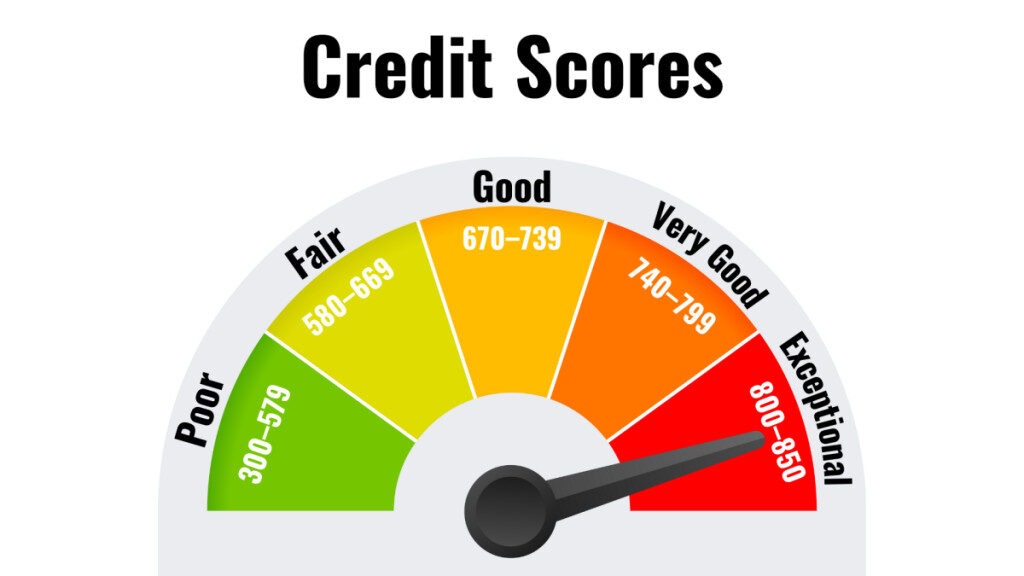
Credit scores can play a significant role in determining the interest rates you qualify for on loans, credit cards, and other financial products. A good credit score can save you thousands of dollars in interest payments over the life of a loan. Conversely, a poor credit score can limit your access to credit and make it more expensive when you do qualify.
In this comprehensive guide, we will walk you through the importance of payment history, credit utilization, and other factors that affect your credit score. We will also provide actionable tips and strategies to help you improve your credit score and maintain long-term credit health.
Understanding the Importance of Payment History in Credit Score Improvement
Payment history accounts for 35% of your credit score, making it a crucial aspect of credit score improvement. Your payment history includes information about your past payments, including late payments, missed payments, and accounts sent to collections.
To pay bills on time, consider the following tips:
- Set up auto-pay: Many credit card issuers and loan providers allow you to set up automatic payments. This ensures that your payments are made on time, every time.
- Use reminders: Set reminders on your phone or calendar to remind you when payments are due. You can also ask your bank to send you reminders when payments are approaching.
- Consider a payment calendar: Create a payment calendar to keep track of all your payments, including due dates and amounts.
Mastering Credit Utilization to Boost Your Credit Score
Reducing credit utilization to under 30% is vital for a healthy credit score. Credit utilization refers to the amount of credit you’re using compared to the amount of credit available to you. For example, if you have a credit limit of $1,000 and you’re using $300, your credit utilization is 30%.
To reduce your credit utilization, consider the following strategies:
- Pay down balances: Focus on paying down high-interest debt first, such as credit card balances. Consider consolidating debt into a lower-interest loan or credit card.
- Spread debt across cards: If you have multiple credit cards, consider spreading debt across cards to maintain a lower credit utilization ratio.
- Request credit limit increases: If you’ve made on-time payments for an extended period, consider requesting a credit limit increase. This can help reduce your credit utilization ratio.
Strategies for Effective Credit Score Improvement
Making multiple payments per month can help keep balances low at statement time, resulting in better credit reporting.
Consider making multiple payments per month, especially if you have high-interest debt.
Additionally, introducing secured credit cards and credit-builder loans can positively impact credit scores when used responsibly. Secured credit cards require a security deposit, which becomes your credit limit. Credit-builder loans are designed to help you establish credit while also providing access to credit.
Maintaining Long-Term Credit Health through Financial Habits
Encouraging financial habits like budgeting, emergency savings, and tracking progress is essential for sustaining long-term credit health. By incorporating these habits into your daily routine, you can ensure a stable credit score.
Consider the following financial habits to maintain long-term credit health:
- Budgeting: Create a budget that accounts for all your income and expenses. This will help you track your spending and make informed financial decisions.
- Emergency savings: Aim to save 3-6 months’ worth of expenses in an easily accessible savings account. This will help you avoid debt and maintain a stable credit score.
- Tracking progress: Regularly track your credit score and financial progress to identify areas for improvement.
Common Mistakes to Avoid When Improving Your Credit Score
Disputing credit report errors by regularly checking free reports can help remove inaccuracies that drag scores down. It’s also essential to avoid common mistakes like missing payments or having high credit utilization.
Consider the following common mistakes to avoid:
- Missing payments: Make all payments on time to avoid late fees and negative credit reporting.
- High credit utilization: Keep credit utilization under 30% to maintain a healthy credit score.
- Credit report errors: Regularly check your credit report for errors and dispute any inaccuracies.
Frequently Asked Questions about Improving Credit Scores
What are the most effective ways to improve my credit score?
Improving your credit score requires a combination of good financial habits and smart credit management strategies. Consider the following tips:
- Make on-time payments: Pay all bills on time to avoid late fees and negative credit reporting.
- Keep credit utilization low: Maintain a credit utilization ratio under 30% to improve your credit score.
- Monitor credit reports: Regularly check your credit report for errors and dispute any inaccuracies.
How can I reduce my credit utilization ratio?
Reducing your credit utilization ratio requires a combination of smart credit management strategies and good financial habits. Consider the following tips:
- Pay down balances: Focus on paying down high-interest debt first, such as credit card balances.
- Spread debt across cards: Consider spreading debt across multiple credit cards to maintain a lower credit utilization ratio.
- Request credit limit increases: If you’ve made on-time payments for an extended period, consider requesting a credit limit increase.
What are the benefits of using a secured credit card for credit score improvement?
Secured credit cards can help you establish credit while also providing access to credit. Consider the following benefits:
- Establish credit: Secured credit cards require a security deposit, which becomes your credit limit. This can help you establish credit while also providing access to credit.
- Build credit: By using a secured credit card responsibly, you can build credit and improve your credit score over time.
How often should I check my credit report for errors?
Regularly checking your credit report for errors can help you identify and dispute inaccuracies that may be dragging down your credit score. Consider the following tips:
- Check free reports: You can request free credit reports from each of the three major credit bureaus (Experian, TransUnion, and Equifax) once per year.
- Monitor credit reports: Regularly check your credit report for errors and dispute any inaccuracies.
By following these steps and maintaining good financial habits, you can improve your credit score and enjoy better financial health.
For more information and tips on personal finance, investing, and wealth management, subscribe to our newsletter at https://monetify.in/newsletter and stay updated on the latest trends and strategies.
You can also visit our website at https://monetify.in to access expert guides, calculators, budget planners, and debt strategies to help you grow your wealth and master your money with confidence.
External Resources:
- Experian: https://www.experian.com
- TransUnion: https://www.transunion.com
- Equifax: https://www.equifax.com
- National Foundation for Credit Counseling: https://www.nfcc.org