

Understanding Insurance Types Explained
Insurance types can be overwhelming, but understanding the basics is crucial for making informed decisions. This section will delve into the main categories of insurance, including life insurance, health insurance, and auto insurance, explaining how each works and why they are essential for financial security.
Insurance is a vital aspect of financial planning, providing protection against unexpected events and securing one’s financial future. By understanding the different types of insurance and how they work, individuals can make informed decisions about their financial protection and security.

In this article, we will explore the main categories of insurance, including life insurance, health insurance, and auto insurance. We will also cover other relevant insurance types, such as disability insurance, homeowners/property insurance, and umbrella insurance.
Life Insurance Types and Their Importance
Life insurance provides financial support to beneficiaries after death, offering term vs. permanent types with unique key features. This section will cover:
- Term life insurance: A type of life insurance that provides coverage for a specified period, typically ranging from 10 to 30 years. It is designed to provide financial support to beneficiaries in the event of the policyholder’s death during the coverage period.
- Permanent life insurance: A type of life insurance that provides coverage for the policyholder’s entire lifetime. It is designed to provide a death benefit to beneficiaries and also builds cash value over time.
- Key features and benefits of each type: We will discuss the key features and benefits of each type of life insurance, including the differences between term and permanent life insurance.
For example, let’s say John, a 30-year-old father of two, purchases a 20-year term life insurance policy. If John passes away during the coverage period, his beneficiaries will receive a death benefit of $500,000. However, if John survives the coverage period, the policy will expire, and he will not receive any benefits.
On the other hand, let’s say Sarah, a 40-year-old business owner, purchases a permanent life insurance policy. The policy will provide a death benefit to her beneficiaries, and it will also build cash value over time, which Sarah can borrow against or use to pay premiums.
Health Insurance Explained
Health insurance covers medical expenses, including hospitalization, doctor visits, and preventive care. Understanding the basics of health insurance is vital for protecting one’s well-being and financial stability. This section will discuss:
- Types of health insurance plans: We will cover the different types of health insurance plans, including individual and group plans, as well as HMOs and PPOs.
- Coverage and benefits: We will discuss the different types of coverage and benefits offered by health insurance plans, including medical, surgical, and hospital expenses.
- Importance of health insurance in overall financial planning: We will highlight the importance of health insurance in overall financial planning, including how it can protect against financial risks and secure one’s financial future.
For example, let’s say Emily, a 25-year-old individual, purchases an individual health insurance plan. The plan covers medical expenses, including doctor visits, hospitalization, and preventive care. Emily’s premiums are $300 per month, and she has a deductible of $1,000.

Auto Insurance Types and Coverage
Auto insurance is essential for protecting against financial losses in case of accidents or vehicle damage. This section will explain:
- Liability coverage: We will discuss the importance of liability coverage, which protects against financial losses in case of accidents or vehicle damage.
- Collision coverage: We will explain the importance of collision coverage, which protects against financial losses in case of collisions with other vehicles or objects.
- Comprehensive coverage: We will discuss the importance of comprehensive coverage, which protects against financial losses in case of non-collision events, such as theft or vandalism.
- Add-ons like uninsured motorist and gap insurance: We will discuss the importance of add-ons like uninsured motorist and gap insurance, which provide additional protection against financial losses.
For example, let’s say David, a 35-year-old driver, purchases an auto insurance policy. The policy includes liability coverage, collision coverage, and comprehensive coverage. If David is involved in an accident, his liability coverage will protect him against financial losses in case of damages or injuries to others.
Other Relevant Insurance Types
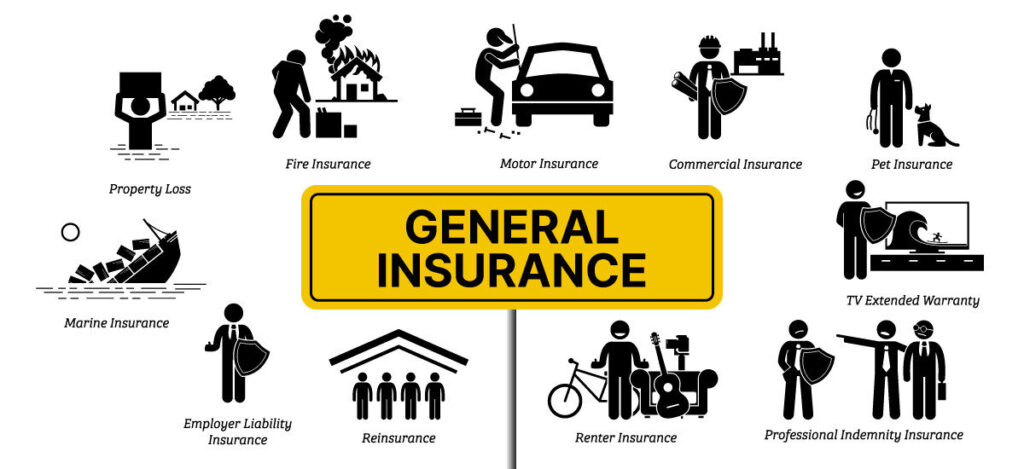
In addition to the main categories, other types of insurance are worth considering, including:
- Disability insurance: Income replacement if unable to work due to illness or injury.
- Homeowners/property insurance: Protects structure and possessions against damage and liability.
- Umbrella insurance: Extra liability coverage beyond basic policies.
For example, let’s say Michael, a 45-year-old business owner, is involved in an accident that leaves him unable to work for several months. His disability insurance policy provides income replacement, helping him to cover his living expenses during his recovery.
How Insurance Works: Premiums, Deductibles, and Claims
Understanding how insurance works is crucial for making informed decisions. This section will explain:
- Premiums and payment structures: We will discuss the different types of premiums and payment structures, including monthly and annual payments.
- Deductibles and out-of-pocket costs: We will explain the importance of deductibles and out-of-pocket costs, which are the amounts the policyholder must pay out-of-pocket before insurance coverage kicks in.
- The claim process and basics of filing a claim: We will discuss the claim process and basics of filing a claim, including the steps to take in case of an emergency or unexpected event.
For example, let’s say Rachel, a 30-year-old homeowner, purchases a homeowners insurance policy. The policy includes a deductible of $1,000, which means Rachel must pay the first $1,000 of any damages or losses before insurance coverage kicks in.
Importance of Insurance in Financial Planning
Insurance plays a vital role in protecting against financial risks and securing one’s financial future. This section will highlight:
- Risk protection and financial security: We will discuss the importance of risk protection and financial security, including how insurance can provide peace of mind and financial stability.
- Why insurance is essential for long-term financial planning: We will highlight the importance of insurance in long-term financial planning, including how it can help individuals achieve their financial goals and secure their financial future.
For example, let’s say James, a 40-year-old business owner, purchases a life insurance policy to protect his family’s financial future in case of his passing. The policy provides a death benefit of $500,000, which will help his family to cover their living expenses and achieve their financial goals.
Insurance Types Explained: Frequently Asked Questions
People often have questions about insurance types and how they work. This section will address common FAQs, including:
Q1: What is the difference between term and permanent life insurance?
Term life insurance provides coverage for a specified period, typically ranging from 10 to 30 years. Permanent life insurance, on the other hand, provides coverage for the policyholder’s entire lifetime.
Q2: How does health insurance work, and what are the benefits?
Health insurance covers medical expenses, including hospitalization, doctor visits, and preventive care. The benefits of health insurance include financial protection against medical expenses, peace of mind, and access to quality healthcare.
Q3: What is the purpose of umbrella insurance, and who needs it?
Umbrella insurance provides extra liability coverage beyond basic policies. It is designed to protect against financial losses in case of accidents or unexpected events. Individuals who need umbrella insurance include those with high net worth, business owners, and parents with young children.
By understanding the different types of insurance and how they work, individuals can make informed decisions about their financial protection and security. To stay up-to-date on personal finance, investing, and wealth management, subscribe to our newsletter at and access expert guides, calculators, budget planners, and debt strategies to help you grow wealth and master your money with confidence.
Visit our website at https://monetify.in for more information on insurance types explained and other financial topics.
External Links:
- [1] Life Insurance: A Guide to Understanding Your Options by Investopedia:
- [2] Auto Insurance: A Guide to Understanding Your Policy by NerdWallet:
- [3] Disability Insurance: Why You Need It by The Balance: