Feeling overwhelmed by money choices? A personal finance balance sheet can turn chaos into clarity by summing up assets and debts in one clean snapshot. This post explains what it is, why it matters for planning, and how to build and interpret one so your decisions align with real numbers.
What Does a Personal Finance Balance Sheet Entail?
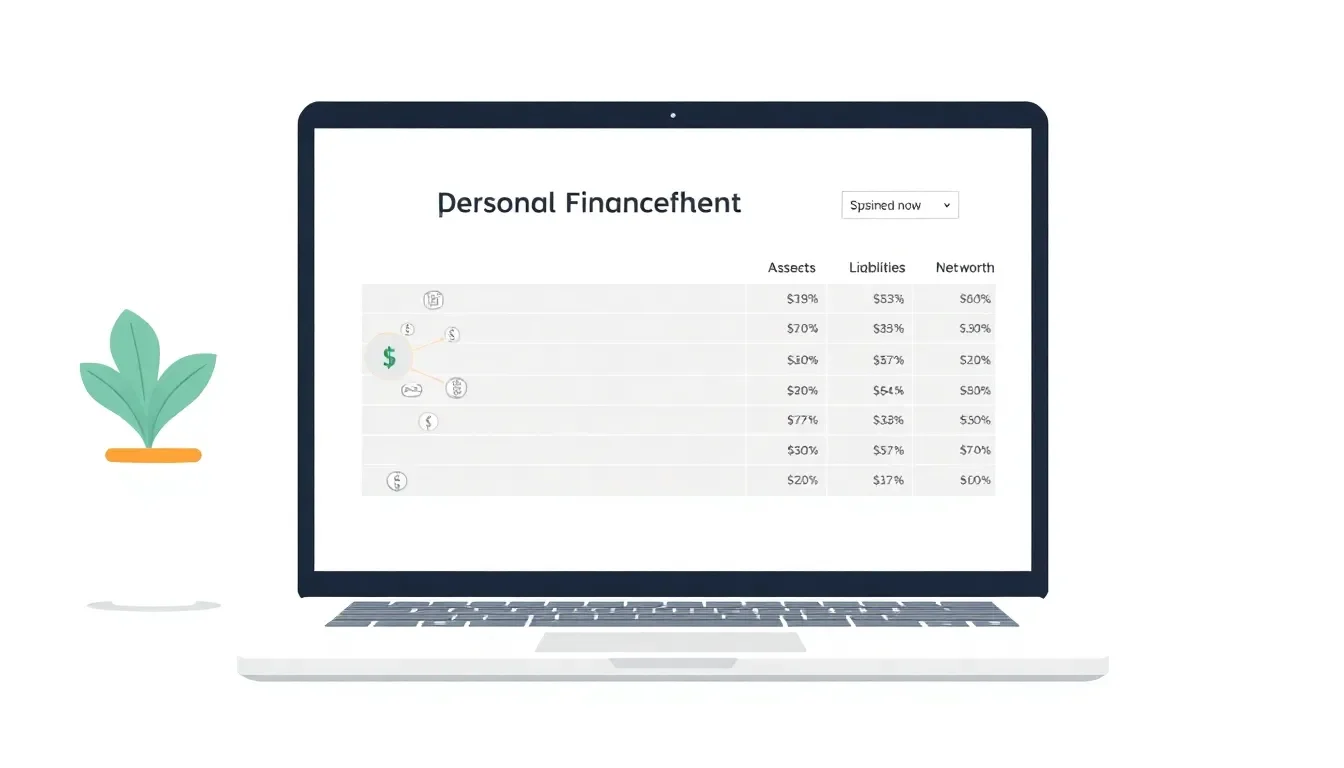
A personal finance balance sheet is a simple list that shows what you own and what you owe, revealing your net worth at a moment in time. Assets include cash, savings, investments, and valuable possessions. Liabilities cover credit card debt, student loans, mortgages, and other obligations. Keeping these numbers in view helps you understand your true financial position instead of guessing.
Why this snapshot matters is straightforward. It grounds plans in reality, showing how small shifts in saving or debt payoff affect your future. With the balance sheet, you can test what happens if you pay down high interest loans faster or tuck away more for emergencies. It also clarifies how close you are to goals like investing, buying a home, or building a safety fund.
In this article you will learn how to create a balance sheet from scratch, what items to include, and how to read simple numbers that signal trends. You will see how to update it regularly, interpret the results, and use them to guide everyday choices toward long term success. Once you have the method, the rest of the guide will show practical steps and examples to apply.

How to Create a Personal Finance Balance Sheet
A personal finance balance sheet is the quickest way to see where you stand today and what moves will matter tomorrow. Think of it as a one-page map: list what you own, subtract what you owe, and the leftover number is your net worth. Let’s build it step by step.
Define Assets and Liabilities
Assets are things that put money in your pocket if you sold or used them.
-
- Cash and checking accounts
-
- Savings accounts, money-market funds
-
- Brokerage or retirement-account balances
-
- Real estate at current market value
-
- Vehicles, collectibles, or other sellable items worth $500+
Liabilities pull money out of your pocket.
-
- Credit-card balances
-
- Student loans, car loans, personal loans
-
- Mortgage remaining principal
-
- Unpaid taxes or bills due within the month
Example: Jay, 27, lists $3,400 in checking, $8,100 in a Roth IRA, and a car valued at $12,000. His liabilities are $2,800 on a credit card and $9,200 left on the car loan. Assets = $23,500; liabilities = $12,000; net worth = $11,500.
Steps to Build Your Balance Sheet
1. Pick a date (last day of the month works).
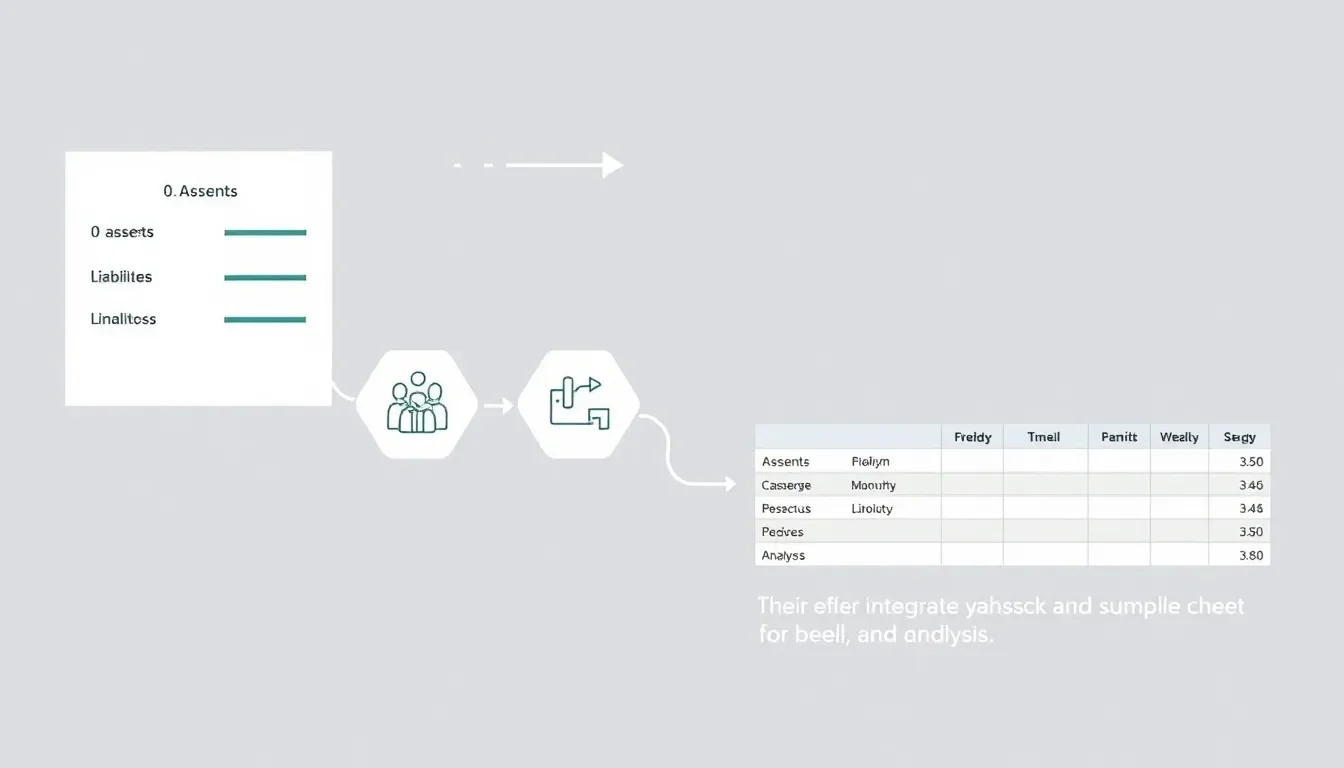
2. Open the free Excel sheet provided at the end of this post—cells are pre-labelled.
3. Log in to each account; record today’s balances under Assets.
4. List every debt with its current payoff amount, not the original balance.
5. Let the sheet auto-sum totals and net worth.
6. Save the file with the date in the name (“Balance-Jan-2025”).
7. Repeat on the same day next month.
Tip: If you hate spreadsheets, jot the numbers on paper first, then transfer them to the Excel sheet so formulas do the math.
Download link: Grab the Personal-Finance-Balance-Sheet template here (no e-mail required).
Time required: 20 minutes the first time, 5 minutes a month after that.
Leveraging Your Balance Sheet Data
Once the numbers are in, use them:
-
- Track the trend: Net worth should rise about 1% of gross income per month in your 20s and 30s, according to U.S. Federal Reserve sample data.
-
- Spot leaks: If assets stay flat but debt creeps up, recheck spending.
-
- Set targets: Aim for emergency cash ≥ 3 months of expenses before aggressive investing.
-
- Time big goals: Want a house down-payment? Project how shifting $250 a month from liabilities to assets changes your sheet in 24 months.
Scenario: Maya’s sheet showed 62% of assets sitting in a low-yield savings account. She moved all but her emergency fund to a broad-market index fund. One year later her net worth grew an extra $1,780 from market gains alone—no extra income required.
Use the balance sheet as a decision filter. Before any purchase above $200, quickly update the sheet; watching the net-worth line drop in real time often curbs impulse buys.
For broader money habits that feed into a healthier balance sheet, read Monetify’s quick list of personal finance tips.
External resources:
Update the sheet monthly, review the trends quarterly, and you’ll turn raw numbers into clear next steps—whether that’s attacking high-interest debt, boosting savings, or starting to invest.
Frequently Asked Questions About Personal Finance Balance Sheets
In plain terms, a personal finance balance sheet is a snapshot of where you stand right now. This FAQ helps you see how the personal finance balance sheet works, and how to act on what you learn.
What are the key components of a personal finance balance sheet?
Assets are what you own that have monetary value. Think cash, savings, investments, real estate, and valuable items. Liabilities are what you owe—credit cards, student loans, a mortgage, or other debts. The balance sheet adds up assets, subtracts liabilities, and gives you your net worth. A simple example helps: you might have $15,000 in cash and investments (assets) and $9,000 in debt (liabilities). Net worth would be $6,000. This basic structure is the backbone of a personal finance balance sheet and a starting point for planning.
How can a balance sheet impact financial decisions?
When you see the numbers, choices feel more concrete. If debt grows faster than your assets, you may cut discretionary spending or increase income to speed up payoff. If cash reserves lag, you’ll prioritize emergency savings before big purchases. Regular checks help you test “what if” scenarios—like paying down high-interest debt first or moving money from a low-yield account into an index fund. In short, the balance sheet turns feelings into data, guiding smarter moves over time. A practical stat helps here: many people who review their balance sheet quarterly report stronger progress toward goals than those who only track income and spending.
What tools are available for creating a personal finance balance sheet?
Several options work, from pencil-and-paper methods to powerful templates. A downloadable balance sheet Excel sheet keeps you honest with pre-labelled cells and automatic totals. You can also use budgeting apps or general-purpose spreadsheets to link net worth with budgeting and dashboards. For ongoing learning and tips, you can explore internal resources like the Monetify personal-finance tips page: https://monetify.in/personal-finance/personal-finance-tips/. If you want external guidance, check Investopedia’s balance-sheet basics, NerdWallet’s net-worth explainer, and the Federal Reserve’s Survey of Consumer Finances for broader context: https://www.investopedia.com/terms/b/balance-sheet.asp, https://www.nerdwallet.com/article/finance/net-worth, and https://www.federalreserve.gov/econres/scf.htm.
How do I interpret my balance sheet for better financial management?
Start by confirming your net worth trend. Is it rising month to month, or flat with rising debt? Look at asset quality—are most assets liquid (cash, savings) or tied up in slower assets (house, retirement accounts)? If high-interest debt dominates, you know where to focus first. Use the data to set concrete goals, like building an emergency fund or increasing monthly investments. Finally, connect your balance sheet to other plans—investing, insurance, and wealth management—to keep your whole financial picture aligned.
How often should I update my balance sheet?
Aim for a monthly update at minimum, with a more formal review quarterly. This cadence keeps you aware of changes from pay, bills, or new debt, and helps you adjust goals in a timely way. The habit of updating your personal finance balance sheet turns numbers into momentum.
Closing thought: a clear balance sheet isn’t a verdict—it’s a compass that helps you steer toward the financial life you want.