is a personal finance course worth it?
A personal finance course can turn money stress into a plan you can actually follow. If you’ve tried budgeting apps, debt repayment plans, or investing ideas without lasting results, a guided path could change that. In this post, you’ll learn what to expect and how to pick a course that fits you.
What can a personal finance course do for you?
Financial literacy is uneven. Many people can juggle bills but struggle to turn that knowledge into a shrinking debt balance or growing savings. A personal finance course breaks budgeting, debt steps, and investing basics into doable, repeatable actions. It gives you a framework rather than feel-good tips. Think of it as a toolkit that translates what you know into what you actually do—like creating a simple monthly plan, identifying money wasters, and setting a small savings goal you can reach this quarter.
People often run into challenges: confusing jargon, too many opinions, and busy lives that push money decisions to the back burner. A good course cuts through that by offering a clear sequence, practical worksheets, and examples you can replicate. You’ll learn to track income and expenses, set a realistic budget, and measure progress with simple reports. The benefits go beyond numbers: a plan you can follow, accountability checks, and a sense that your money is moving toward real goals—like paying off debt, building an emergency fund, or starting to invest. In the coming sections, we’ll explain how courses are structured, who they’re best for, and how to pick one that matches your needs. You’ll also get criteria to compare options so you can choose confidently.
Let’s start by outlining what to look for and how to assess value.
Key insights on personal finance courses
A personal finance course can turn vague goals into clear steps. The best classes cover three pillars: budgeting, debt management, and investing. Once you know what to look for, picking the right format and level becomes simple.
Essential topics covered in courses
1. Budgeting
Expect at least one module on building a zero-based or 50/30/20 budget. Worksheets show how to track take-home pay, label fixed costs, and set weekly spending caps.
Real example: A 2023 study by FINRA showed people who took a budgeting course saved an extra $1,200 in the first year compared with non-participants.
2. Debt management
Courses teach the avalanche (highest interest first) and snowball methods, plus how to negotiate rates or consolidate. Look for templates that calculate total interest saved.
3. Investing basics
Topics include risk vs. return, index funds vs. active funds, and tax-advantaged accounts. Many instructors open a demo brokerage so students can place mock trades without cash.
4. Emergency funds & insurance
Short lessons explain how much cash to keep on hand and what insurance products protect your plan.
If you prefer app-based budgeting after the course ends, check Monetify’s list of the best budgeting apps for students.
How to choose the right course
Use these filters:
1. Audience fit
Beginner: no finance background, needs definitions and hand-holding.
Intermediate: understands budgeting, wants investing depth.
Advanced: focuses on tax strategy or real-estate modeling.
2. Format
-
- Self-paced video (great for busy workers)
-
- Live webinar (good for Q&A)
-
- Cohort-based (best for accountability)
3. Time commitment
Micro courses run 2–4 hours; comprehensive programs can top 30 hours. Match the length to your calendar.
4. Instructor credibility
Check for CFP® certification, CFA charter, or documented investing experience. Scan LinkedIn profiles and course reviews.
5. Price vs. value
Free courses work if you only need basics. Paid versions ($49–$199) often add quizzes, templates, and certificates you can list on a résumé.
6. Community access
A private forum or Discord group keeps motivation high after videos end.
If you’re a student juggling classes and part-time work, Monetify’s guide on personal finance for students explains extra criteria like schedule flexibility and student discounts.
Scenario: Maya, 19, picked a free six-hour course that fit between lectures. By week three she built a $500 emergency fund and opened a no-fee brokerage with fractional shares. The structured pace matched her exam timetable, proving audience fit matters more than glossy sales pages.
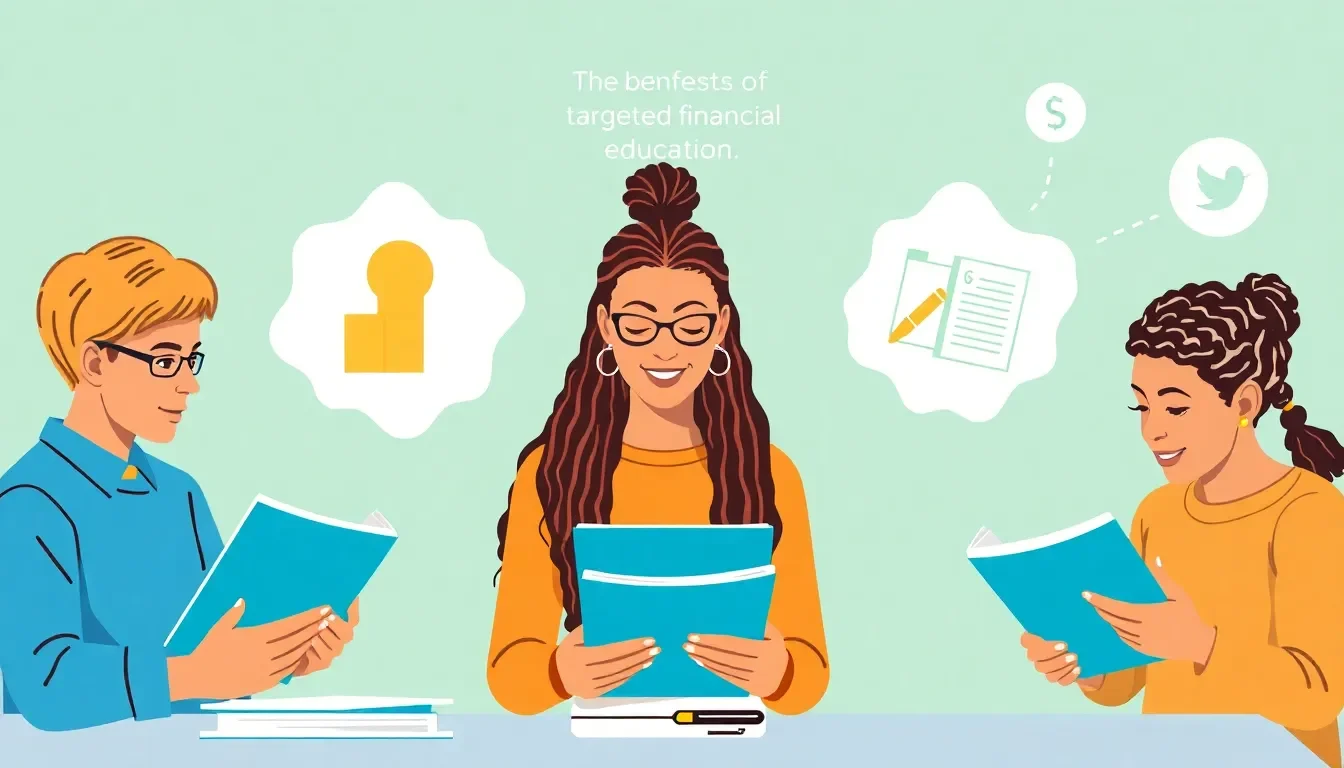
Benefits of targeted learning
Courses aimed at specific groups remove fluff and add context you’ll actually use.
Students
-
- Modules align with semester income (loans, grants, part-time jobs).
-
- Homework involves campus meal plans and textbook hacks.
-
- Outcome: average credit-card balance among student-course grads is 28% lower than campus peers, Sallie Mae 2022 data shows.
New parents
-
- Lessons factor in childcare costs, 529 plans, and life-insurance needs.
-
- Case studies show how to redirect diaper money to college savings once daycare ends.
Career changers
-
- Focus on emergency funds that cover variable income.
-
- Side-hustle tax tips help freelancers keep more of what they earn.
Targeted courses also build peer networks. A cohort of 30-something parents can share stroller coupon codes and RESP strategies long after the final quiz.
External links for deeper research:
-
- Consumer Financial Protection Bureau tool list: https://www.consumerfinance.gov/
-
- National Endowment for Financial Education courses: https://www.nefe.org/
- Investopedia Academy course comparison: https://www.investopedia.com/academy/
Pick a course that matches your life stage, commit to the exercises, and you’ll gain skills that compound faster than interest.
Conclusion for a best finance course?
A personal finance course sets money planning in motion. It turns vague goals into concrete steps and helps you see how budgeting, debt management, and investing fit together. By choosing a format that suits your schedule and a level that matches your experience, you move from guesswork to consistent progress.
This kind of learning pays off in practical ways: you gain templates you can reuse, clear milestones to hit each month, and a framework for making smarter money moves. If you’re navigating student life, a new job, or a shift in responsibilities, a personal finance course can provide context that makes daily choices add up. For learners who want student-friendly guidance, you can explore our student-focused resources, including the guide on personal finance for students mastery: https://monetify.in/personal-finance/personal-finance-for-students-mastery/. And if you’re curious about budgeting tools for students, check the related roundup on budgeting apps: https://monetify.in/personal-finance/best-budgeting-apps-for-students/. For broader reading, see external perspectives from trusted sources like Investopedia, the CFPB, and NEFE: https://www.investopedia.com/terms/p/personalfinance.asp, https://www.consumerfinance.gov/, and https://www.nefe.org/.
FAQ for Finance Personal Best Course
What is a personal finance course?
A personal finance course is a structured program that teaches budgeting, debt management, and investing basics. It helps you connect everyday money choices with longer-term goals, using lessons, worksheets, and examples you can actually apply. In short, it’s a guided path from confusion to clear action.
How can a personal finance course help with budgeting and debt?
It gives you a simple, repeatable process. You’ll learn to set up a budget that fits your life, choose a debt payoff method, and track progress with templates. With practical exercises, you’ll move from “I should save” to “I’m saving this much each month.”
How do I choose the right course?
Start with your situation: student, working professional, or parent. Look at format (self-paced vs. live), time commitment, and price. Check the instructor’s background and whether there are helpful templates. If you’re unsure, start with a shorter, entry-level option and build from there.
How long does a typical personal finance course take?
Short courses can take 2–6 hours, while more comprehensive programs may total 20–30 hours of content and activities. Choose based on how deeply you want to dive into budgeting, debt strategies, and investing basics.
Are there free personal finance courses?
Yes. Some reputable programs offer free modules or introductory courses. Free options often cover basics; if you want depth, paid courses usually add quizzes, templates, and certificates that can be useful.
Can a personal finance course help with investing?
Absolutely. You’ll learn risk vs. return, how to compare funds, and how to use tax-advantaged accounts. Many courses include practice scenarios or mock portfolios to build confidence before you put real money to work.
Closing thought: a steady, well-chosen personal finance course can become a reliable compass on the journey to financial confidence.