
Introduction to the best AI investing tools
Finding the best AI investing tools is essential for anyone serious about improving their investment outcomes. These tools can analyze vast amounts of data quickly and help you spot opportunities that might otherwise slip through the cracks. But with so many options available, picking the right one can be tricky.
That’s why making informed choices is crucial. Relying solely on buzz or ads won’t get you far. This guide breaks down the top AI investing tools and shows how to select what fits your style and goals. Monetify’s resources will also help you navigate this space with confidence.
Overview of AI Investing Tools
Artificial intelligence has transformed investing by automating research, predicting market trends, and optimizing portfolios. This technology levels the playing field, allowing individual investors to access insights once reserved for professionals.
However, not all AI tools are created equal. Some focus on stock picking, others on risk management or sentiment analysis. Making the right choice requires understanding their core strengths and limitations. Monetify provides clarity here by reviewing popular tools and helping you avoid common pitfalls.
Comprehensive Tool Overview
Detailed Comparison of Tools
Here’s a look at some of the best AI investing tools and what they bring to the table:
- Tool A: Known for automated portfolio rebalancing that saved users up to 2% in annual fees.
- Tool B: Uses AI to analyze news and social media trends, alerting traders to sudden shifts.
- Tool C: Combines personalized stock screening with real-time notifications tailored to your risk profile.
Each tool serves different needs, whether you prefer hands-off investing or active trading. Beginners can get a solid foundation by exploring Monetify’s Investing Guide for Beginners in India, which explains the basics before diving into AI options.
Practical Guide for Selecting Tools
Framework for Evaluation
When choosing AI investing tools, consider these factors:
1. Functionality—Does it offer the features you need like portfolio tracking or market alerts?
2. Ease of Use—Is the interface intuitive or overly complicated?
3. Transparency—Are its AI methods clear and verifiable?
4. Cost—Are fees fair relative to the value you get?
5. Support—Is help available when you need it?
Some worry AI tools might replace personal judgment or be too costly. In reality, they work best when supplementing your decisions—cutting down on data overload while keeping you in control.
If budget matters, especially for students or new investors, check out Monetify’s take on Best Budgeting Apps for Students for tips on balancing spending with investing.
Key Takeaways on AI Investing Tools
The best AI investing tools combine powerful features, clear design, reasonable costs, and solid support. Using the right tool can simplify your investing and improve results without extra hassle.
Want to explore further? Monetify offers handy checklists and detailed guides for managing your finances smarter. Start with these Personal Finance Tips to boost your overall financial health alongside investing.
With these insights, choosing the right AI tool becomes a straightforward step toward smarter investing.
Practical Guide for Selecting AI Investing Tools
AI investing tools can either sharpen your decision-making or confuse you with noise. The difference comes down to how you evaluate them.
Instead of chasing every new AI platform that promises market-beating returns, focus on tools that actually improve clarity, discipline, and consistency in your investing process.
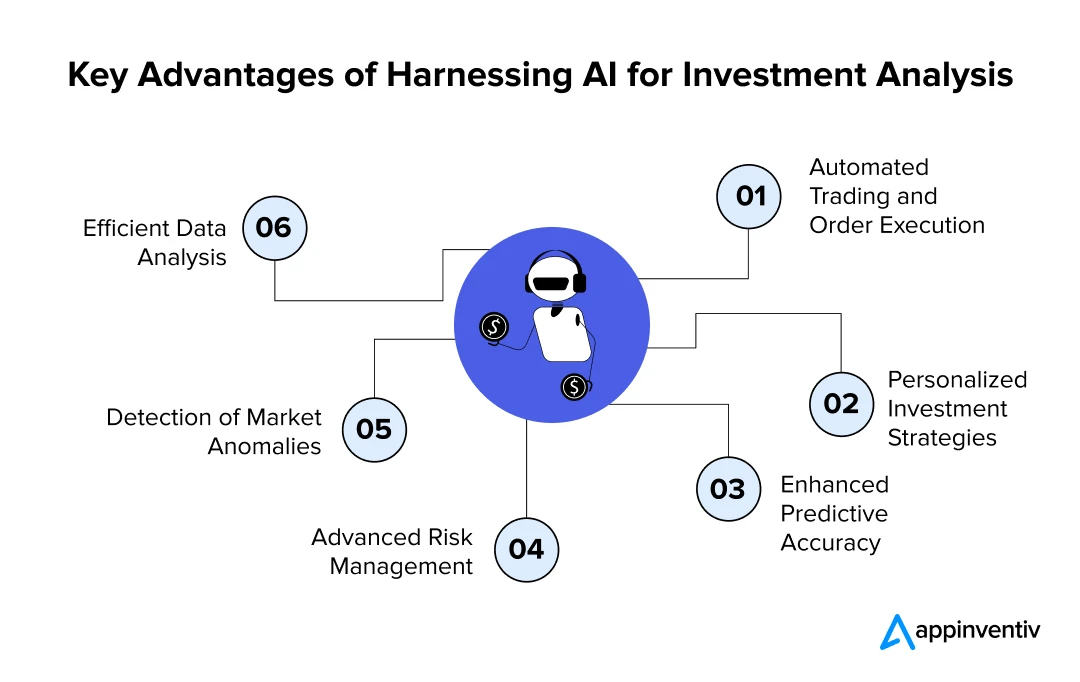
Framework for Evaluating AI Investing Tools
Use this simple framework before committing to any AI investing platform:
1. Data Quality Over Predictions
The best AI investing tools don’t rely on flashy predictions. They use clean, reliable market data and present insights in a way that helps you make better decisions. Avoid tools that promise guaranteed returns or “perfect timing.”
2. Transparency of Logic
A good AI tool explains why it is making a recommendation. If the logic feels like a black box, treat it as a red flag. You should always understand the assumptions behind AI-driven insights.
3. Human-in-the-Loop Control
AI should assist, not replace, your judgment. Look for platforms that allow you to adjust risk levels, asset preferences, and time horizons instead of forcing automated decisions.
4. Integration With Your Financial System
The most practical AI investing tools connect well with how you already manage money — budgeting apps, bank accounts, or investment platforms. If you’re still building strong money habits, tools that align with structured financial tracking (like budgeting apps) can be more valuable than advanced AI signals.
You may want to pair investing tools with solid budgeting foundations, such as those discussed in our guide to the best budgeting apps for students:
👉 https://monetify.in/personal-finance/best-budgeting-apps-for-students/
5. Cost vs. Value
Many AI tools charge premium fees. Ask one question: Does this tool save me time, reduce risk, or improve consistency enough to justify the cost? If not, a simpler platform may be the better choice.
Addressing Common Objections to AI Investing Tools
“AI investing is risky.”
AI doesn’t increase risk by default — poor decision-making does. When used as a decision-support system rather than an autopilot, AI can actually reduce emotional investing errors.
“AI tools are only for experienced investors.”
Not true. Many modern AI investing tools are designed to simplify investing for beginners by organizing data, explaining trends, and enforcing discipline. If you’re new, pairing AI insights with strong fundamentals is key — especially if you’re still learning how markets work.
“AI replaces financial knowledge.”
AI tools work best on top of financial literacy, not instead of it. Understanding basic investing principles remains essential, especially when evaluating long-term strategies.
Key Takeaways on AI Investing Tools
AI investing tools are no longer experimental — they’re becoming a core part of modern investing workflows. The smartest investors use AI to filter noise, spot patterns, and stay consistent, while still maintaining full control over decisions.
Here’s what matters most:
-
AI works best as a decision assistant, not a replacement
-
Transparent tools with clear logic outperform black-box platforms
-
The right tool depends on your goals, experience level, and financial habits
-
Strong personal finance foundations amplify the effectiveness of AI investing tools
If you want to go deeper, Monetify regularly breaks down investing strategies, money systems, and tools that actually work in real life. A great next step is refining your overall financial approach before layering advanced tools on top.
Start with our practical guide on personal finance tips to strengthen your foundation:
👉 https://monetify.in/personal-finance/personal-finance-tips/
Once your basics are solid, AI investing tools become far more powerful — and far less risky.